Cameroon’s Giant Revealing the Nation's Largest Wood Factory
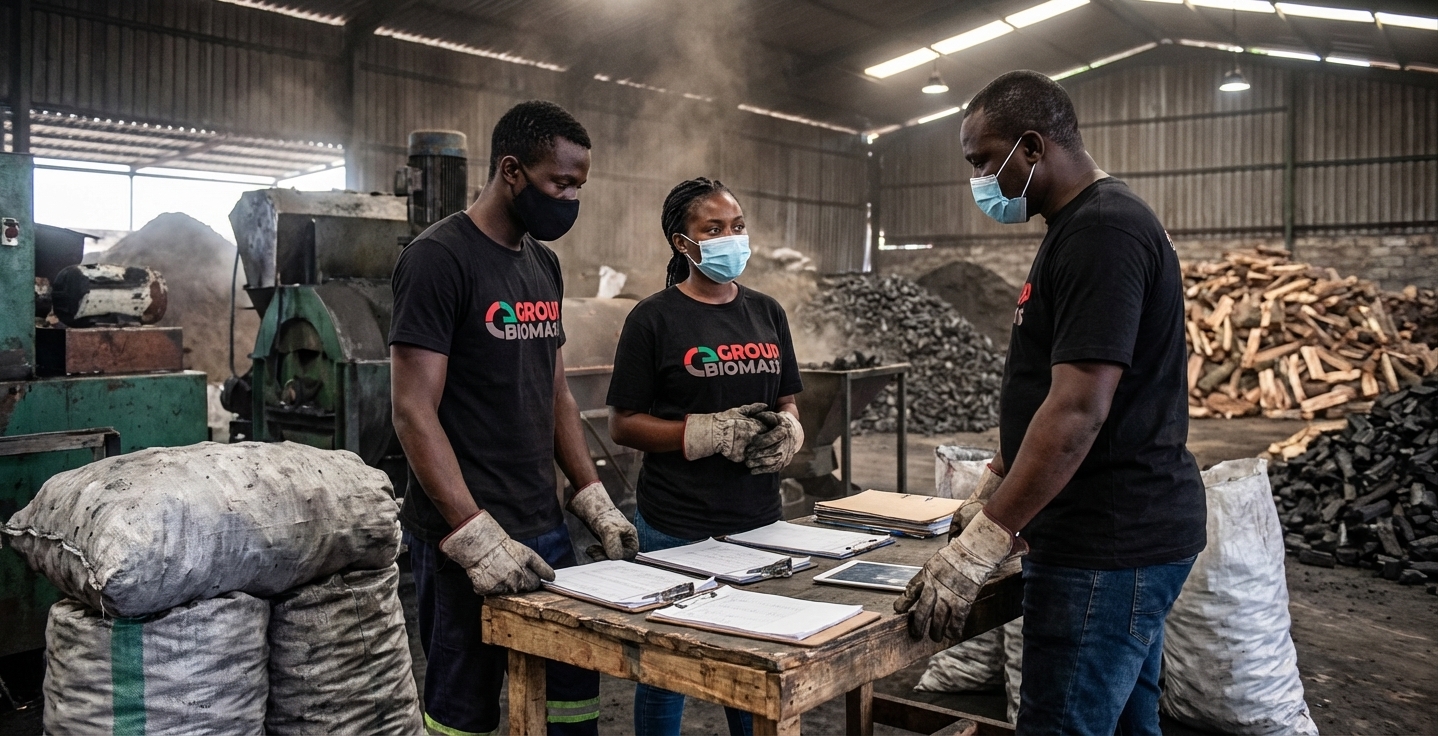
Deep within the nation , a significant site stands as a representation to the growing demand for biomass. This industrial complex, reportedly the region’s largest fuel factory , is drawing attention for both its size and the possible environmental impact . While offering livelihoods for local communities, the operation’s processes are triggering debate about sustainable forest practices and the overall health of the nation's forests .
Natural Lump Carbon Export Boom: Cameroon’s Promising Nation
Cameroon is experiencing a substantial surge in quality lump charcoal exports, positioning itself as a important player in the global market. Fueled by increasing demand from European United States and Pacific markets, the country’s supply of this sustainable fuel is rapidly expanding, offering promising opportunities for regional communities and strengthening the country's prosperity. The emphasis on environmentally friendly hardwood granulated carbon is showing to be a major aspect in securing foreign investors.
Inside Cameroon’s Hardwood Lump Charcoal Factory: Production & Sustainability
Stepping across a average Cameroon timber lump charcoal factory shows a surprisingly straightforward system of production. Green wood, often sourced from responsible forests, are thoroughly cut and carried to a oven. Inside, the wood is slowly heated with minimal oxygen, a technique that transforms it to granular charcoal. Although the established methods applied can be labor-intensive, increasingly contemporary factories are incorporating better processes and seeking ways to improve their productivity and nature responsibility. This covers investing in renewable resources and introducing thorough scrap handling strategies.
The Lump Charcoal Industry : A Major Contributor in Global Exports
Despite mounting environmental worries , Cameroon’s wood charcoal industry remains a surprising yet vital contributor in the global export arena . The manufacture of charcoal from trees is a important source of income for countless read more of local communities, particularly in remote zones. This operation generates a substantial quantity of lump charcoal heading for international markets , often fueling energy needs in other nations , though this dependence creates difficulties relating to deforestation and responsible woodland protection.
Le Face à Charbon de Bois Massif en Bois Dur et Des Briquettes: Un Point de Vue Camerounaise
Au le Cameroun , le décision entre le charbon de bois dur lump et les briquettes soulève une interrogation . Traditionnellement, , le charbon de bois a toujours été préféré en son goût distinctif et son capacité à produire une chaleur élevée , parfaite pour les cuissons régionales. Toutefois, des briquettes , davantage pratiques de trouver et moins chères , attirent à popularité , notamment chez les communautés urbaines .
Sustainable Charcoal Making : The Outlook of Cameroon’s Forest Business
The current method of charcoal production in Cameroon presents a significant challenge to its valuable hardwood forests . However, new sustainable practices offer a promising path forward. These include technologies like agricultural waste gasification and improved earth kilns , which minimize deforestation, cut emissions, and provide financial opportunities for local communities . Embracing these eco-friendly alternatives is crucial to protecting Cameroon's biological heritage and securing the long-term future of its hardwood business while addressing climate impacts .